

Call or text us now!!
AC Installation & Replacement in Hampton Roads
Why Does Humidity Decide the Right AC Size?
Because an air conditioner removes moisture only while it runs. An oversized system cools the house quickly and shuts off before it pulls much water out of the air, leaving rooms cool but clammy. It also cycles on and off more often, which adds wear. An undersized system runs constantly and struggles on the hottest afternoons.
A correctly sized system runs in longer, steadier cycles that lower the temperature and the humidity together. That is why the old unit’s size isn’t a reliable guide; it may never have been right. Our AC installation includes load calculations and proper sizing, based on square footage, insulation, windows, sun exposure, ceiling height, and the ductwork.
When Is It Time for a New Air Conditioner?
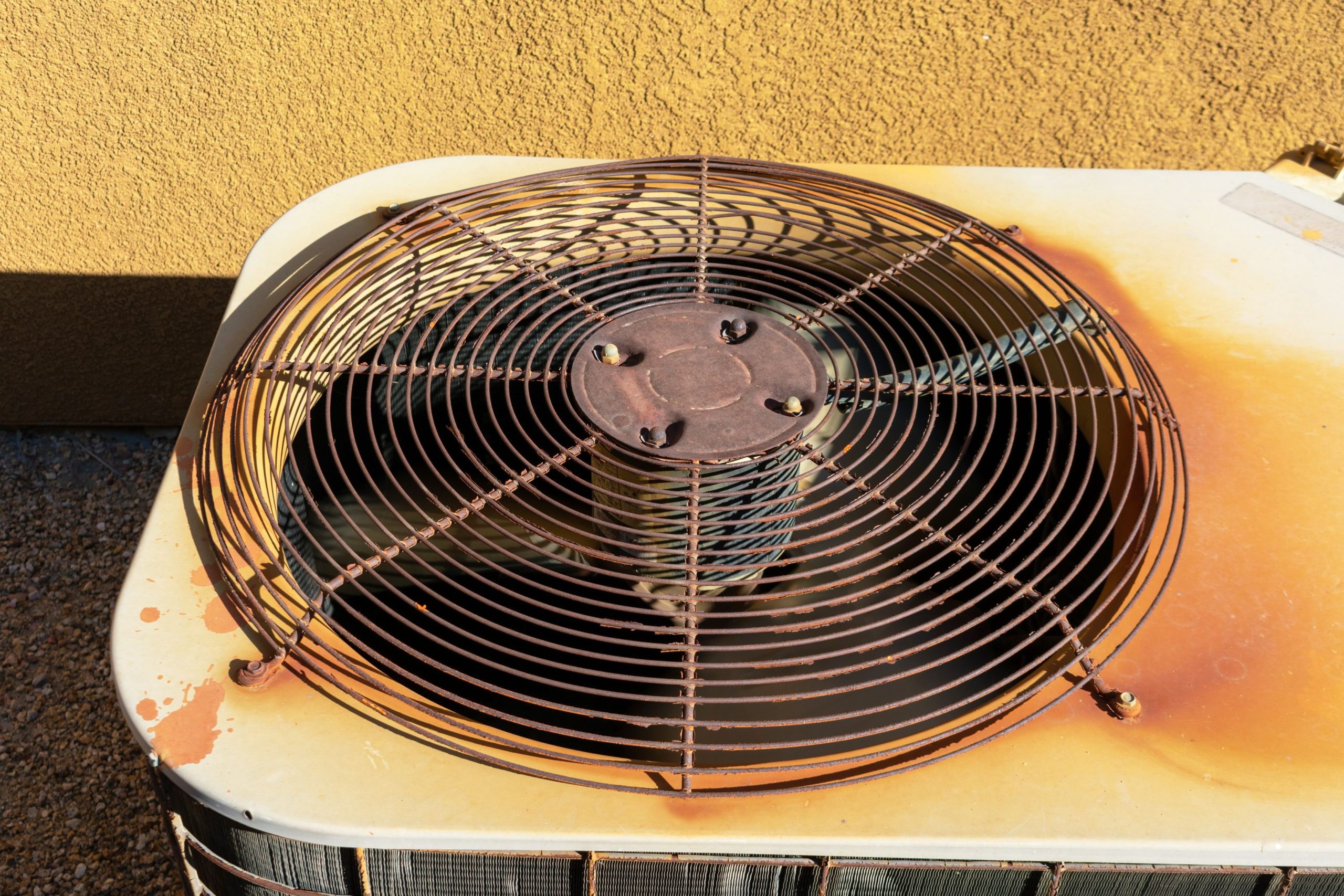
It is usually time when the AC is aging, repairs are becoming routine, and the house is no longer as comfortable as it used to be:
- Age. Many central air conditioners reach the end of their practical life somewhere past the ten-year mark, and long Hampton Roads cooling seasons add hours every year.
- Repeated repairs. When service calls arrive every summer, the money often goes further toward a new system.
- R-22 refrigerant. Production and imports of new R-22 ended in 2020. Systems that use it can still be serviced with available R-22, but a leak can make repairs expensive enough that replacement is worth considering. Compare the actual quotes.
- Rising electric bills with no change in use.
- A house that feels damp at the right temperature.
- Uneven cooling between rooms or floors.
The repair-or-replace decision comes down to age, repair history, and comfort. If you are not sure yet, start with an AC repair visit.
Air Conditioner or Heat Pump?
A central air conditioner only cools. It pairs with an indoor unit, usually a gas furnace or an electric air handler, and the indoor coil has to match the new outdoor unit, which is why a replacement often involves both. Your heat comes from a separate source, such as a furnace or electric heat strips. A heat pump cools in summer and heats in winter with the same outdoor unit, which makes it a common choice in Hampton Roads, where winters are usually mild.
If you have a newer furnace that works well, replacing only the air conditioner can make good sense. If the indoor unit is also getting older, it may be worth comparing a new AC and furnace with a heat pump. For heat pump options, see our heat pump installation and replacement page.
How Does an AC Installation Work?
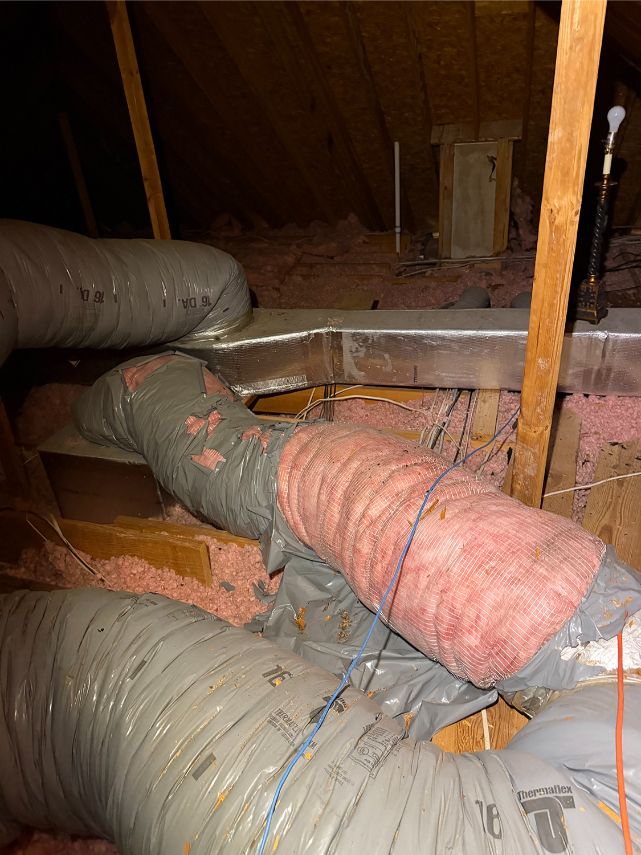
Load calculations, proper sizing, and a ductwork evaluation are part of our AC installation, because leaking or undersized ducts rob a new system of capacity. Beyond the sizing work, these are the parts of any installation worth asking about, including ours:
The old equipment. How it comes out and how the refrigerant is recovered, as required by code.
Matched equipment. Whether the outdoor condenser and the indoor coil are a matched pair, and whether the condensate drain will be properly sloped.
Startup. Whether the installer will check the refrigerant charge, airflow, drainage, and thermostat operation before leaving.
The walkthrough. What you will be shown about running the system, changing the filter, and keeping the manufacturer’s warranty valid.
What Are the Main Equipment Choices?
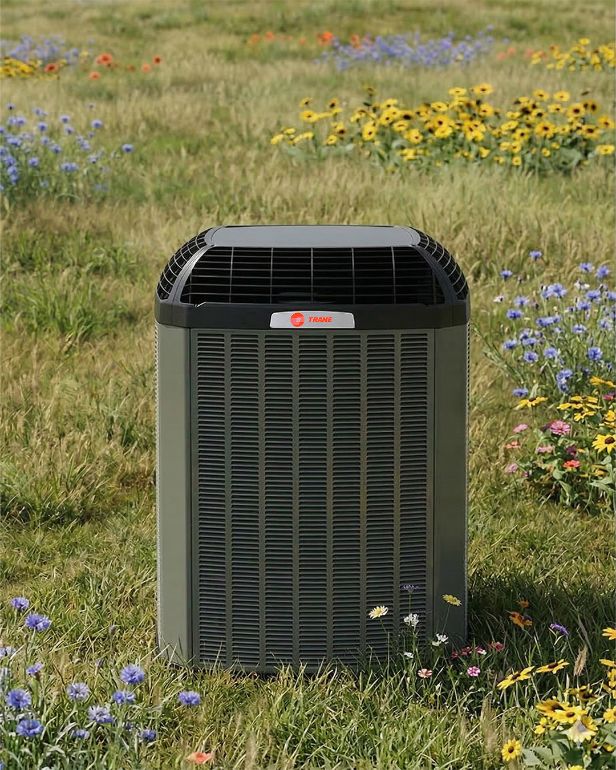
- SEER2 rating. SEER2 measures cooling efficiency. A higher rating uses less electricity to deliver the same cooling.
- Single-stage, two-stage, or variable-speed. Multi-stage systems run more gently and remove more humidity, while single-stage systems cost less up front.
- A matched indoor coil. The outdoor unit and indoor coil are designed as a pair, and mismatched components can lower efficiency and shorten the life of the new equipment.
- Ductless options. For additions, sunrooms, and rooms without ductwork, a ductless system can cool individual spaces.
What Affects the Cost of a New AC?
The cost depends on the size and efficiency of the system and on the work the house needs to support it: the cooling capacity required, the efficiency tier and staging, whether the indoor coil or air handler is replaced along with the outdoor unit, ductwork repairs, electrical updates, and access to the equipment locations. The AC installation quote is free. Request yours here.
What Warranty Comes With a New AC?
New air conditioners carry a manufacturer’s warranty. Many manufacturers require registration within a set window after installation to activate the full parts coverage. Your new system comes with warranty coverage, and Tango Bravo Mechanical stands behind the quality of its work. It is worth asking what the coverage includes before you sign. Keeping the system maintained protects the equipment and the warranty, and our maintenance plans include two tune-ups a year.
Where Do We Install Air Conditioners?
We install and replace air conditioners in Suffolk, Norfolk, Virginia Beach, and Chesapeake. Each city page lists the neighborhoods we serve.
AC Installation FAQs
What size air conditioner do I need?
The answer comes from a load calculation, not from square footage alone. Insulation, windows, sun exposure, ceiling height, and the number of people in the house all change how much cooling a home needs. Two houses of the same size can need different systems.
Do I need to replace the indoor unit too?
Usually, yes. The outdoor unit and indoor coil are built as a matched set, and pairing a new outdoor unit with an old coil can reduce efficiency and reliability. We will tell you if your existing indoor equipment is a reasonable exception.
When is the best time to replace an air conditioner?
Spring and fall are the easiest times to schedule because you won’t be without cooling during the hottest weeks. If your AC fails in July, you can still replace it, but you will have fewer days to compare options. The worst time to plan is after the system has already stopped.
Can you install AC in a home without ductwork?
Yes. A ductless system cools individual rooms without ducts, and it is a common answer for additions and sunrooms.
Schedule an Appointment
Phone: (757) 752-2722 | Send us an email
